Scar Types
Keloid vs Hypertrophic Scars: How to Tell the Difference
Both are raised scars, but they behave very differently — and that difference changes how they should be treated.
Read articleExpert scar revision surgery with Assoc. Prof. Dr. Ayhan Işık Erdal — keloid, hypertrophic, contracture, acne, surgical and burn scars, treated with the right technique and honest expectations.
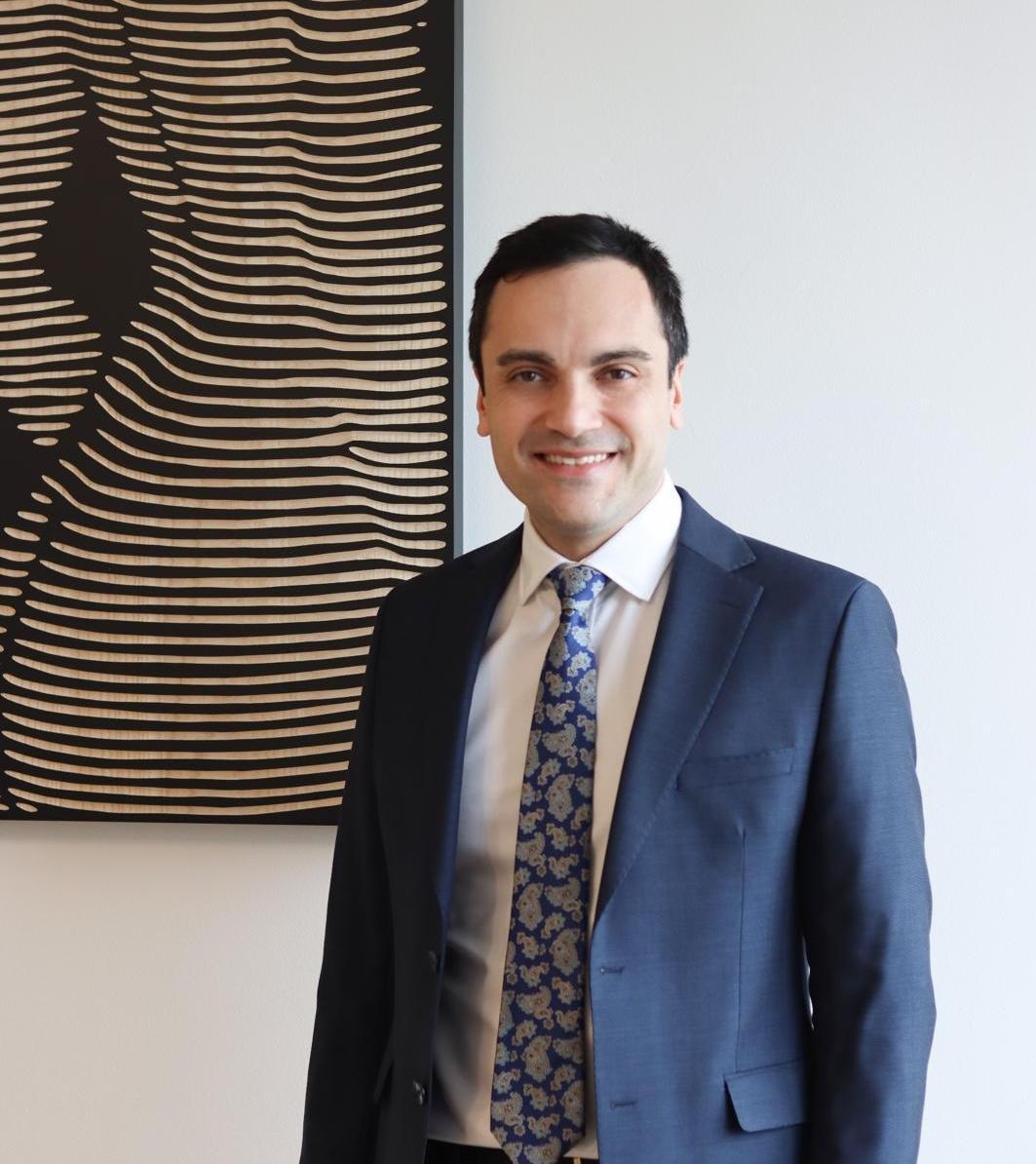
Scar revision is a set of surgical and non-surgical techniques that make a prominent scar far less noticeable: thinner, flatter, better positioned, and better matched to the skin around it. The art lies in choosing the right method — or combination — for your specific scar, and being honest about the result.
Whether your scar is raised, wide, tethered, discoloured, or restricting movement, the first step is a straightforward assessment of what can realistically be improved.
Scars behave differently depending on how they formed. Identifying the type is the first step in choosing the right treatment.
Raised scars that grow beyond the original wound and tend to recur. Treated with a combined plan — careful excision plus injections and pressure — rather than surgery alone.
Thick, raised scars that stay within the wound edges. Often respond well to silicone, pressure and steroid injections, with revision for stubborn cases.
Tight scars — often after burns — that pull the skin and can restrict movement across a joint. Released and reconstructed with flaps, grafts or Z-plasty.
Depressed, pitted scars including ice-pick, boxcar and rolling acne scars. Improved with subcision, laser, microneedling, TCA CROSS or fat grafting.
Widened, raised or poorly positioned scars from previous operations or injuries — re-excised and re-closed as a finer, better-oriented line.
Complex scars that may be raised, contracted or discoloured. Reconstructed to restore both function and appearance, often in stages.
Scars from accidents, cuts or lacerations, including facial scars, refined with excision, geometric revision and resurfacing.
From meticulous surgical revision to laser, injections and subcision. The best result often combines methods in the right order.
The old scar is removed and the wound closed meticulously in layers, with reduced tension, to produce a thinner, flatter line.
Geometric techniques that re-orient a scar along natural skin creases and break a straight line into a less noticeable pattern.
For larger or contracted scars, healthy tissue is used to release tightness and resurface the area — key in burn reconstruction.
Fractional and vascular lasers improve the colour and texture of a scar and soften redness, without cutting.
Intralesional injections flatten and soften thick, raised or keloid scars, usually over a planned course.
Evidence-based measures that keep scars flatter and paler as they mature; the foundation of non-surgical scar care.
Keep the area clean, follow your dressing instructions, and don't pick at scabs or peel tape early. Avoid tension — no heavy lifting or stretching that pulls on the wound. Watch for signs of infection and report them promptly.
As soon as the wound is completely closed with no scabs or open areas, begin silicone gel or sheets on clean, dry skin. This is the best-supported at-home step for keeping a scar flat and pale.
Use silicone daily. Once cleared, gently massage the scar for a few minutes once or twice a day to keep it soft. Protect it from the sun with cover or high-SPF sunscreen — new scars darken permanently in UV light.
The scar keeps flattening and fading for months. Continue silicone and sun protection until it settles. Most visible improvement happens in the first 6–12 months.
The scar is now mature. If it is still wide, raised or tethered despite good care, this is the right time to discuss revision — or laser to refine colour and texture.
Surgeons do their part with technique, but the months afterwards matter just as much — and much of that is in your hands. Silicone, sun protection and gentle massage, used consistently while a scar matures, have a real, evidence-backed effect.
Our scar-care guide walks you through exactly what to do, and when, from the day of surgery through the full maturing window.
A double board-certified plastic & reconstructive surgeon who treats scars as a craft — matching the right technique to each scar, and being honest about what it can achieve.
Most patients start with a simple WhatsApp photo and an honest opinion — no pressure, no obligation.
Send photos of your scar over WhatsApp. Dr. Erdal reviews the type, size and location and tells you honestly what can realistically be improved.
You receive a tailored plan — the technique or combination suited to your scar — with an all-inclusive quote and no obligation.
On arrival in Istanbul you're seen in person. The plan is confirmed and every question answered before anything is scheduled.
Most scar revisions are day-case procedures under local anaesthetic. Larger reconstructions may use sedation or general anaesthesia.
You recover comfortably nearby with clear aftercare instructions, silicone and sun-protection guidance, and support on call.
After you fly home, Dr. Erdal stays reachable to follow your healing and guide scar care as the new line matures.
Practical, honest answers to the questions patients ask most.
Both are raised scars, but they behave very differently — and that difference changes how they should be treated.
Read articleA closed wound is not a finished scar. Here is what actually happens over the first days, weeks, and months.
Read articleSilicone is the most evidence-backed at-home scar treatment. Here's how sheets and gel compare, and how to use them.
Read articleNo treatment can erase a scar entirely — some mark always remains once skin has been injured through its full thickness. What scar revision can do is make a scar much less noticeable: finer, flatter, better positioned and better matched to the surrounding skin. The realistic goal is significant improvement, not erasure.
A revised scar matures over 6 to 12 months, and subtle changes can continue for up to two years. It looks pink and firm at first, then gradually flattens and fades. Caring for it during this window — with silicone and sun protection — has a real effect on the final appearance.
Most revisions are done under local anaesthetic, so the area is numb during the procedure. Afterwards there is usually mild tightness and soreness that simple pain relief manages well.
Many scar revisions are short day-case procedures, so the stay is usually brief — often just a few days, enough for the procedure and an early check. Complex reconstructions may need a little longer; you'll be told exactly what to expect in your plan.
No scar is truly invisible, but a well-executed revision replaces a distracting scar with a fine line that most people would have to look for. Technique and aftercare determine how discreet the result is.
Yes. Mature scars are often good candidates precisely because they have finished changing, so the surgeon knows exactly what they're working with. A scar from years ago can still be revised.
Share a photo of your scar and a few details. Dr. Erdal will tell you what can realistically be improved and outline a tailored plan and all-inclusive quote — with no obligation.